Store latex slingshot bands relaxed, clean, and away from sunlight, heat, and contaminants. An opaque bag in a cool indoor drawer is a practical option. Inspect bands before fitting and before every session; replace latex showing cuts, whitening, cracks, or changes in feel.
A spare bandset can look perfectly normal and still feel different from the day it was made. Latex changes gradually, and storage conditions often matter more than the number of weeks written on a label.
I learned to stop treating spare bands like ordinary workshop supplies. A piece of sandpaper can sit on an open shelf for months. Latex is less forgiving. Sunlight, heat, stretched storage, and contact with the wrong materials can all shorten its useful life before it is ever fitted to a frame.
The good news is that proper storage is simple. It does not require special equipment, only a little consistency.
Keep latex away from light
Direct sunlight is the obvious problem, but a bright windowsill is not the only place to avoid. Daylight reaching a clear storage box day after day is still unnecessary exposure. I prefer an opaque bag or a closed drawer where the bands remain dark until needed.
This is one reason our tapered latex flat bandsets are kept in light-blocking packaging. The pouch is not there to make the product look technical. It gives the latex a more stable environment during storage and transport.
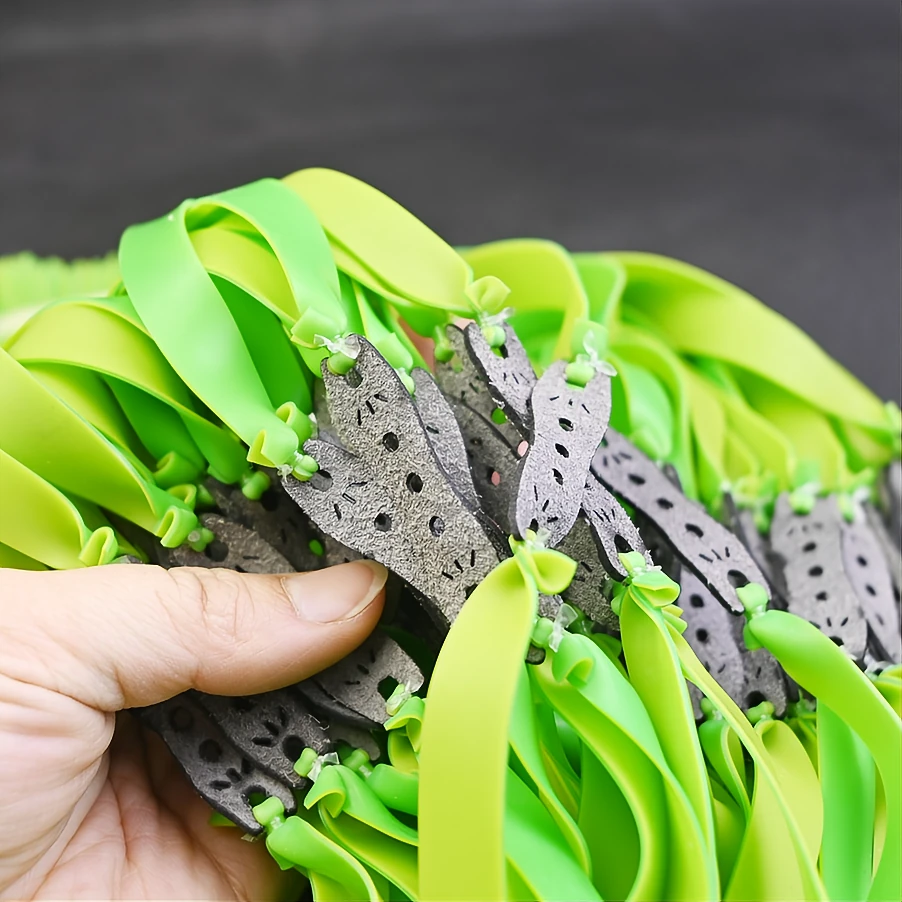
If the original package has been opened, press out most of the extra air, close it properly, and return it to a dark place. There is no benefit in leaving a spare set displayed beside the slingshot.
A hot car is one of the worst storage places
Heat speeds up the changes that make latex feel less lively and more fragile. A car interior, metal shed, or sunny workshop cabinet can become much hotter than the surrounding air. Those temperature swings are particularly easy to overlook because the bands may spend most of the day out of sight.
Room temperature in a shaded indoor space is usually the practical choice. I do not put everyday bandsets in the freezer, and I avoid storing them beside heaters or dehumidifiers. The aim is not to make the latex as cold as possible. It is to keep the environment moderate and reasonably stable.
Humidity receives a lot of attention, but for normal home storage I worry more about heat and light. A sealed package in a cool drawer is preferable to an elaborate container left somewhere warm.
Store bandsets relaxed, not stretched
Latex should rest without tension. Do not leave a spare bandset stretched around a jig, wound tightly around a handle, or trapped under the weight of tools. A loose natural curve is fine. A hard fold at the same point is not.
I lay finished sets flat or coil them gently enough that the pouch and tying ends do not create sharp creases. When several sets share a package, they should not be compressed into a tight knot. It takes only a few seconds to arrange them, and doing so makes inspection easier later.
Bands already mounted on a slingshot are also best stored without anything pulling on the pouch. Hanging the frame by the pouch may be convenient, but it leaves the latex carrying a load for no useful reason.
Keep the surface clean
Workshop benches collect fine dust, metal particles, finishing compound, oil, and solvents. None of these belongs on a shooting band. I handle clean latex with clean, dry hands and keep it away from lubricants, fuel, aerosol sprays, and strong cleaning products.
This does not mean a band must remain surgically clean. It means avoiding preventable contamination. If a set falls onto a dirty bench, inspect both faces and edges rather than wiping it quickly and assuming it is fine.
Powders and surface treatments are another area where more is not always better. Unless a latex manufacturer specifically recommends a treatment, I would rather store the material clean and sealed than experiment with an unknown chemical.
Check the edges before checking the pull
When taking a bandset out of storage, the first test should be visual. Look along both cut edges under good light. Small nicks matter because the edge is where a tear can begin. Then check the area near the pouch and the section that will sit against the fork tips.
Warning signs include cracking, a sticky or unusually dry surface, permanent creases, pale stressed patches, and any cut that interrupts a clean edge. Compare both sides. If one band looks or feels different from the other, replace the set.
I do not begin by pulling an unfamiliar stored band to full length. A gentle initial stretch gives a chance to notice unevenness without immediately asking the latex for maximum extension. Once fitted, the attachment should be checked again to make sure the band lies flat and both active lengths match.
Write the packing date, but do not worship it
A date label is useful because memory is unreliable. I mark packages when bandsets are cut or received and use older stock first. What the date cannot tell me is how the material was treated.
A newer band left in a hot vehicle may be in worse condition than an older one stored carefully indoors. That is why I avoid promising a universal shelf life. Latex formulation, thickness, packaging, climate, and handling all change the answer.
Use the date to organize your stock, then use inspection to decide whether a band belongs on a slingshot.
Simple storage is usually enough
My preferred routine is uncomplicated: clean bandsets, relaxed in an opaque sealed package, stored in a cool indoor drawer. The package is dated, and the latex is inspected before installation and again before every session.
The purpose is not to preserve a band forever. Latex is a working material and eventually needs replacement. Good storage simply ensures that its useful life is spent on the frame rather than being lost on a bright shelf or in a hot car.
If a bandset gives you a reason to doubt it, replace it. Eye protection, a secure backstop, regular equipment inspection, and compliance with local laws remain part of every responsible setup.